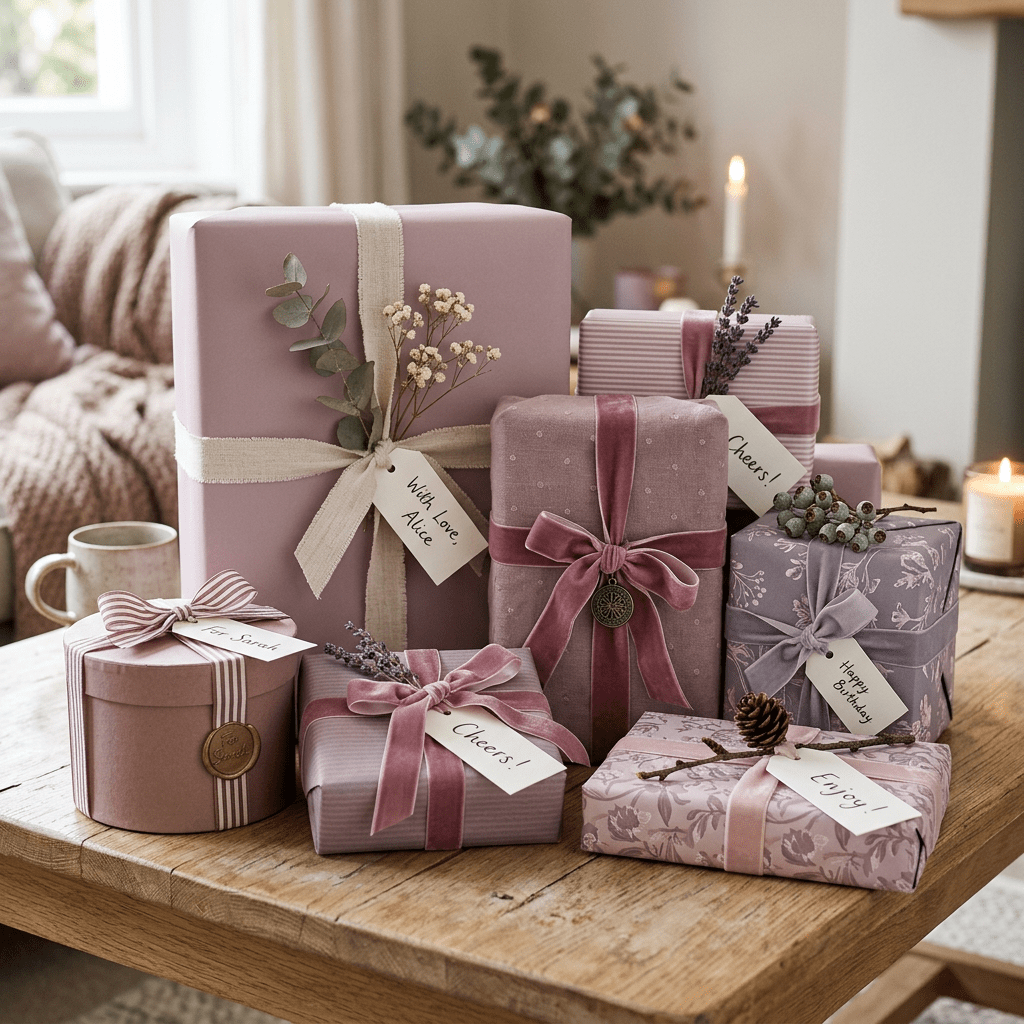
We’ve all been there: a birthday is approaching, a holiday is around the corner, or someone important to you deserves a thoughtful surprise… but your mind is completely blank.
You search online, scroll through endless gift guides, walk through stores, and still think:
“What do I even get them?”
Finding the perfect gift can feel overwhelming, especially when you want something that feels personal rather than something quickly grabbed from a shelf. But the secret to great gifting isn’t having a magical ability to know exactly what someone wants.
It’s knowing how to think like the person you’re buying for.
The best gifts aren’t always the most expensive or trendy. They’re the ones that show:
“I know you. I thought about you. This reminded me of you.”
Whether you’re shopping for a partner, friend, family member, coworker, or someone who seems impossible to buy for, these simple strategies will help you choose a meaningful gift—even when you have absolutely no ideas.
Start With the Person, Not the Present
One of the biggest mistakes people make when searching for gifts is immediately looking at products.
They ask:
“What are good gifts for women?”
“What are popular gifts this year?”
“What should I buy for someone who has everything?”
While gift lists can provide inspiration, they shouldn’t be your starting point.
Instead, begin with the person.
Ask yourself:
- What do they enjoy doing in their free time?
- What topics do they talk about often?
- What problems or frustrations do they have?
- What small things make them happy?
- What experiences have they mentioned wanting?
A great gift often comes from something they casually said weeks or months ago.
For example:
- They mentioned their coffee always gets cold → a quality insulated mug.
- They said they want to relax more → a cozy self-care gift basket.
- They love cooking but hate clutter → a useful kitchen upgrade.
- They constantly talk about a hobby → something connected to that passion.
The best gift ideas are often hidden in everyday conversations.
Use the “Gift Detective” Method
When you don’t know what to buy, become a detective.
Look for clues.
1. Pay Attention to Their Interests
Most people naturally reveal what they love.
Think about:
Their hobbies
Do they enjoy:
- Reading?
- Gaming?
- Gardening?
- Baking?
- Fitness?
- Crafts?
- Photography?
- Music?
- Traveling?
A gift related to something they already love is usually a safe choice.
A reader may appreciate a beautiful bookmark, book subscription, reading journal, or cozy reading accessories.
A plant lover may enjoy unique pots, gardening tools, or decorative plant items.
A fitness enthusiast may love practical workout accessories.
2. Notice Their Lifestyle
Sometimes the perfect gift isn’t connected to a hobby—it’s connected to their daily routine.
Ask:
“What would make their everyday life a little better?”
Examples:
The Busy Person
Gift ideas:
- A beautiful planner
- Meal prep accessories
- A relaxing candle
- A coffee subscription
- A convenient organizer
The Homebody
Gift ideas:
- Soft blankets
- Cozy slippers
- Home décor
- Tea or hot chocolate sets
- Comfort items
The Always-Tired Person
Gift ideas:
- Sleep masks
- Relaxation products
- Aromatherapy items
- A self-care basket
A thoughtful gift doesn’t have to change someone’s life—it just has to make their life slightly more enjoyable.
Think About Memories, Not Just Things
Some of the most meaningful gifts aren’t objects.
They are reminders of moments you share.
A sentimental gift could include:
- A framed photo
- A personalized keepsake
- A scrapbook
- A custom illustration
- A memory jar filled with notes
- A playlist of meaningful songs
- A handwritten letter
These gifts work because they communicate emotion.
A store-bought item says:
“I bought you something.”
A memory-based gift says:
“I treasure the moments we share.”
The Three Question Trick for Impossible Gift Situations
When someone feels impossible to shop for, ask yourself these three questions:
1. What Do They Love?
This reveals their interests.
Examples:
- Their favorite hobby
- Their favorite food
- Their favorite color
- Their favorite style
- Their favorite activity
2. What Do They Need?
Useful gifts can be incredibly thoughtful.
Examples:
- Something that solves a small annoyance
- Something that makes a task easier
- Something they wouldn’t buy themselves
Many people hesitate to purchase little luxuries for themselves, making them excellent gifts.
3. What Would Surprise Them?
Surprise creates excitement.
Think beyond obvious choices.
Instead of:
“Someone who loves coffee needs a mug.”
Think:
“What coffee-related gift would make them smile?”
Maybe:
- A unique coffee blend
- A beautiful coffee accessory
- A personalized cup
- A coffee tasting experience
The difference is moving from ordinary to memorable.
Match the Gift to Your Relationship
The perfect gift depends on how well you know someone.
A romantic partner may appreciate:
- Personalized jewelry
- Meaningful experiences
- Sentimental keepsakes
- Something connected to your relationship
A close friend may love:
- Inside-joke gifts
- Shared memory gifts
- Hobby-related items
- Fun experiences
A coworker may appreciate:
- Practical desk accessories
- Gourmet treats
- Small self-care gifts
- Useful everyday items
A family member may enjoy:
- Personalized items
- Family memories
- Comfort gifts
- Things connected to traditions
The more personal the relationship, the more personal the gift can become.
When in Doubt, Choose an Experience
Physical gifts are wonderful, but experiences create memories.
Consider gifting:
- A restaurant visit
- A concert ticket
- A workshop
- A spa day
- A cooking class
- A day trip
- A movie night package
- A themed gift basket for an at-home experience
Experiences are especially great for people who:
- Already have everything
- Prefer minimalism
- Value memories over possessions
Avoid These Common Gift Mistakes
Even with good intentions, some gifts miss the mark.
Mistake #1: Buying Something You Like
It’s easy to think:
“I would love this, so they probably will too.”
But gifts should reflect the receiver, not the giver.
Mistake #2: Choosing Something Too Generic
A gift card can be useful, but adding a personal touch makes it better.
Instead of only giving:
“A coffee shop gift card.”
Try:
“A coffee gift basket with their favorite snacks, a handwritten note, and a coffee gift card.”
Small details create meaning.
Mistake #3: Waiting Until the Last Minute
Last-minute shopping often leads to stress and less thoughtful choices.
Start early enough to notice clues, compare options, and personalize your gift.
Create a Personal Gift Formula
If you frequently struggle with gift ideas, create your own formula.
Try:
Something They Love + Something Useful + Something Personal
For example:
A Friend Who Loves Baking
Something they love:
- A baking accessory
Something useful:
- High-quality ingredients
Something personal:
- A handwritten recipe card
A Partner Who Loves Relaxing
Something they love:
- Self-care products
Something useful:
- A cozy blanket
Something personal:
- A letter explaining why you appreciate them
This simple formula works for almost anyone.
Remember: Thoughtfulness Beats Perfection
Many people put unnecessary pressure on themselves to find the “perfect” gift.
But perfection isn’t what makes a gift special.
The most memorable gifts usually have one thing in common:
They show that someone paid attention.
A small gift chosen with genuine thought can mean more than an expensive gift chosen without consideration.
So the next time you feel stuck, don’t ask:
“What should I buy?”
Ask:
“What would make this person feel seen, appreciated, and loved?”
That question is where the best gift ideas begin.
Final Gift-Picking Checklist
Before buying a gift, ask:
☐ Does this match their personality?
☐ Does it connect to something they enjoy?
☐ Would they use it or appreciate it?
☐ Does it show that I know them?
☐ Can I add a personal touch?
When you choose a gift with intention, even the simplest present can become something unforgettable.
Because the best gifts aren’t just wrapped—they’re felt.

Leave a Reply